Cold Rolling: How CR Coils Achieve Tight Tolerance & Bright Finish
Inside the cold tandem mill — how pickled HR feedstock is reduced at room temperature to deliver the smooth, precise CR coils used in appliances and automotive panels.
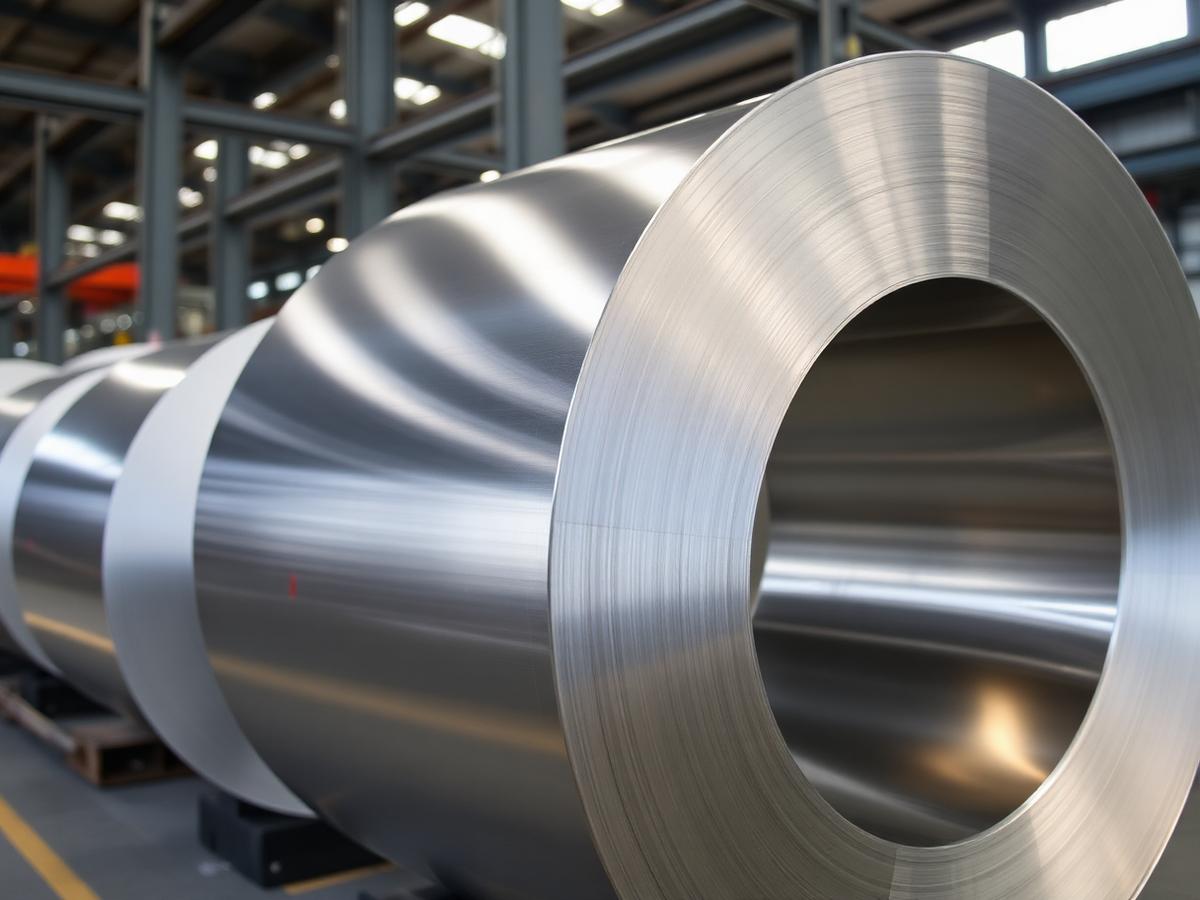
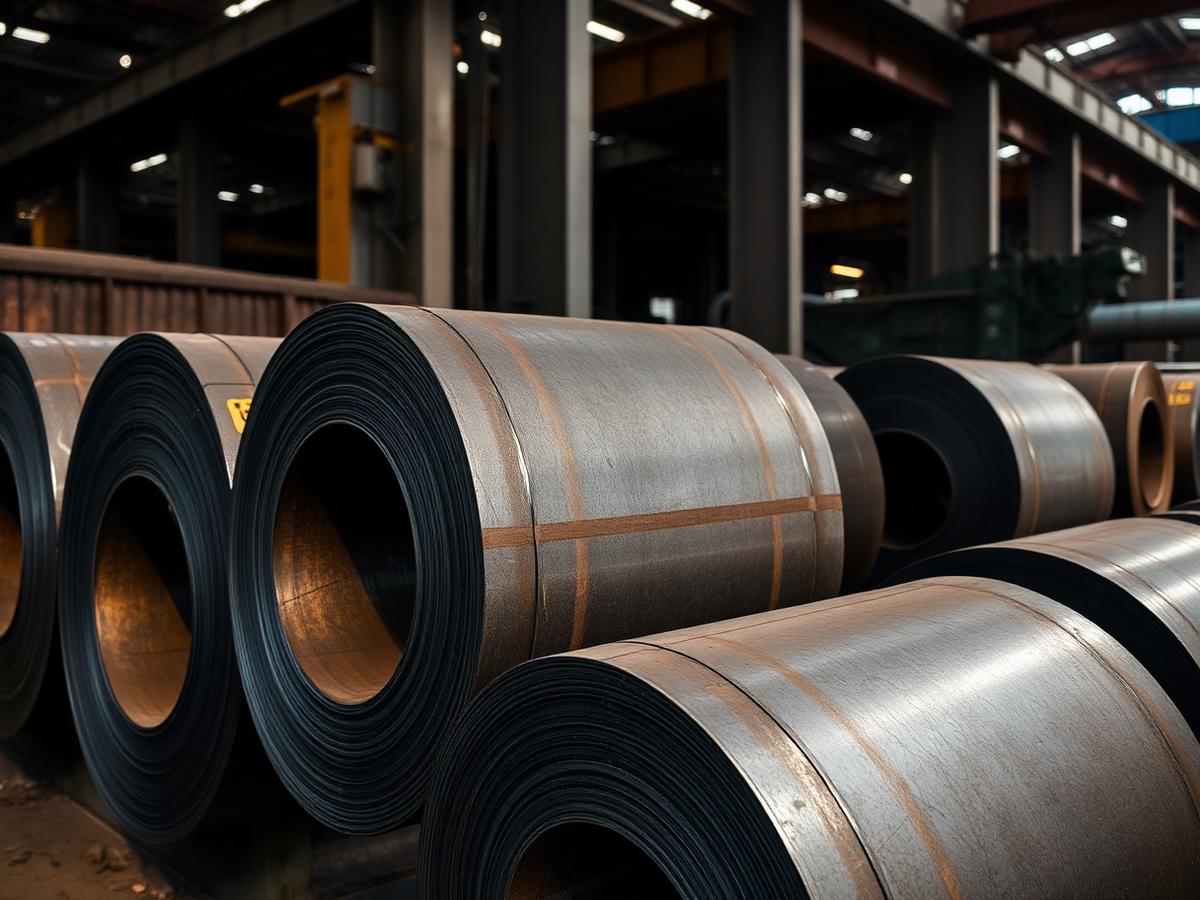
Cold Rolling takes pickled HR coils and reduces them further at room temperature — typically 50–90% reduction — producing thinner gauges with mirror-smooth surfaces and tolerances tighter than anything achievable hot.
1. Pickling: Removing Mill Scale
Before cold rolling, the HR coil passes through a continuous pickling line where dilute hydrochloric acid removes the iron-oxide mill scale. The strip is then rinsed, dried and oiled.
2. Tandem Cold Mill
A 4- or 5-stand tandem mill rolls the strip cold through successive reductions. Each stand uses small work rolls supported by larger back-up rolls, with neat synthetic rolling oil flooding the bite to lubricate and cool.
3. Electrolytic Cleaning
After rolling, alkaline electrolytic cleaning strips off rolling oil residues so the strip is metallurgically clean for the next step.
4. Batch or Continuous Annealing
Cold work hardens the steel; annealing restores ductility. Batch annealing in HNX hoods (3–7 days) suits deep-drawing grades such as DC04/DC06, while continuous annealing lines (CAL) deliver faster cycles and tighter property control for structural grades.
5. Temper / Skin Pass
A light cold-rolling pass (0.5–2% reduction) gives final surface texture, eliminates the yield point elongation (avoiding Lüders bands when forming) and locks in flatness.
6. Recoiling & Inspection
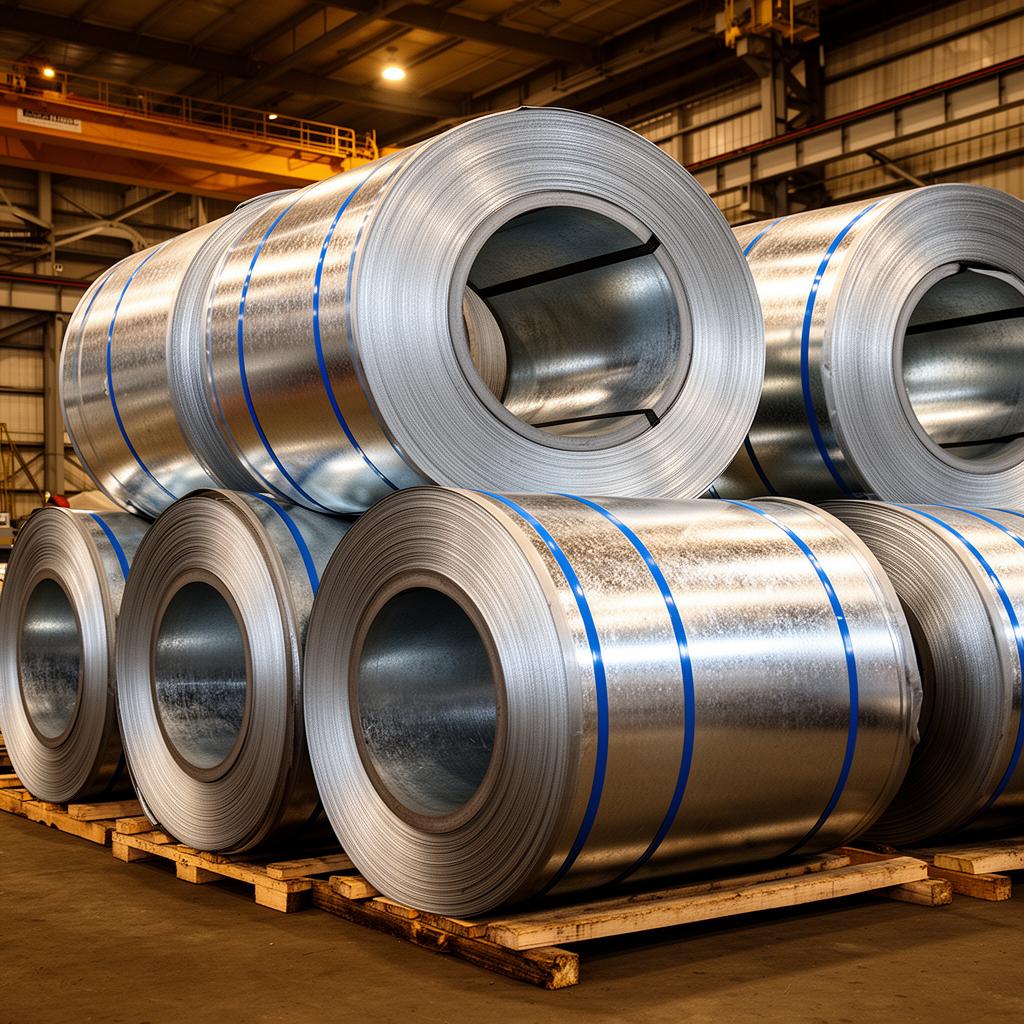
Finished CR coils are slit to width, recoiled, and inspected for surface quality and mechanical properties. Coils destined for galvanizing or pre-painting feed directly into the GI/PPGI lines.
Cold Rolled Coils (CR Coils)
Cold rolled coils with superior surface finish and tight tolerances.